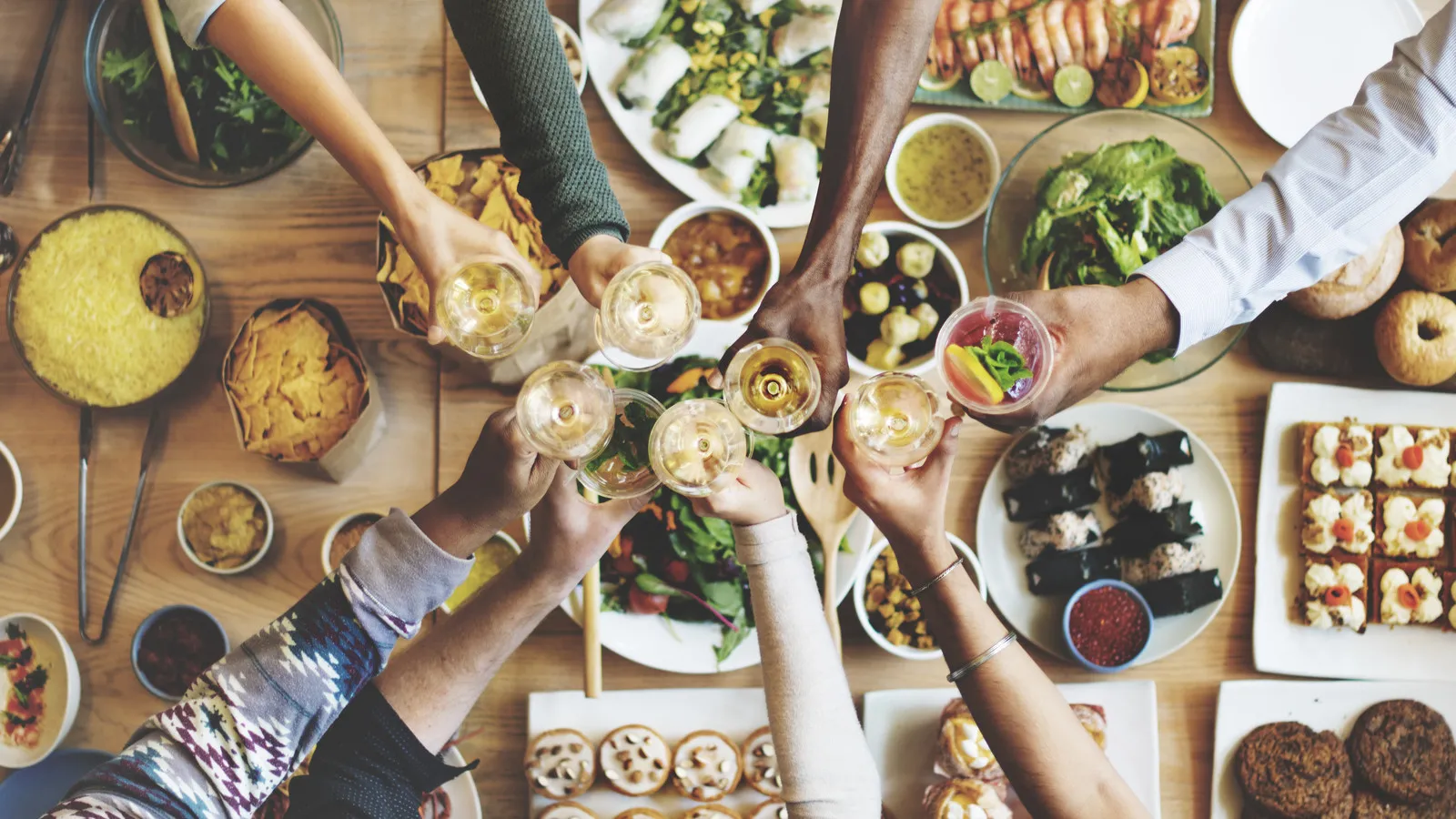
Food is one of the most powerful forces shaping human life. It defines cultural identity, influences health, stimulates economies, and builds social bonds. In the very first layers of human experience, Food operates as more than physical nourishment. It becomes a language of tradition, memory, and community. Within the second understanding of human development, food reflects our environment, our history, and our evolving relationship with global resources.
The Historical Foundation of Food and Its Cultural Meaning
Food culture has always been tied to geography, climate, and resource availability. Ancient civilizations shaped their diets according to what grew naturally in their environments, and over time, regional dishes evolved into signatures of identity.
Food as a Cultural Story
Every dish carries a history. People pass recipes through generations not just for flavor, but for connection. These traditions reveal:
- Local agricultural practices
- Social customs
- Religious rituals
- Migration patterns
- Family values and celebrations
Cuisines around the world reflect centuries of innovation and adaptation. For example, spices introduced through trade routes shaped entire cooking styles, while colonization altered food systems and gave rise to new global dishes.
How Food Became a Marker of Identity
Food communicates where someone comes from and what they value. Cultural identity becomes intertwined with food through:
- Traditional holidays and ceremonial meals
- Regional specialties tied to climate
- Ingredients that hold symbolic meaning
- Cooking techniques passed down from elders
This symbolic role gives food an emotional depth unmatched by most other daily rituals.
The Science of Food and Human Health
Food plays a central role in maintaining physical and mental well being. Nutrition science has evolved significantly, offering a deeper understanding of how nutrients interact with the body.
Nutritional Components That Shape Health
Three major macronutrients support daily function:
- Carbohydrates for energy
- Proteins for muscle and cellular repair
- Fats for brain and hormone health
Micronutrients add further support:
- Vitamins that regulate immunity and metabolism
- Minerals that support bone health and organ function
- Antioxidants that protect against cellular damage
Understanding these components helps individuals make informed dietary decisions.
The Relationship Between Food and Mental Health
Recent research shows that diet influences not only physical but also emotional health. Food affects mood, focus, and long term brain function through:
- Omega rich foods that support memory
- Fermented foods that enhance gut microbiome balance
- Colorful fruits and vegetables that offer anti inflammatory benefits
- Stable blood sugar patterns that prevent emotional fluctuations
As mental health awareness grows, nutrition becomes a foundational part of emotional well being.
The Global Food System and Its Economic Impact
Food is one of the largest industries in the world. It affects agriculture, transportation, marketing, retail, and technology. The entire food chain relies on coordinated systems that bring ingredients from farms to households.
Agricultural Production and Global Markets
Agriculture remains a cornerstone of global economics. Farmers, ranchers, fishermen, and growers support millions of jobs. Their work affects:
- Raw material supply
- Commodity pricing
- International food trade
- Resource management and sustainability
Crop yields and livestock production often influence national economies and social stability.
Food Distribution and Retail Structures
Once food is harvested or produced, it flows through complex distribution channels:
- Storage and refrigeration facilities
- Transportation networks
- Wholesale distribution centers
- Grocery stores, markets, and online retailers
- Food service industries such as restaurants and cafeterias
Each step affects pricing, accessibility, and quality.
The Art and Technique of Cooking
Cooking transforms raw ingredients into flavorful, aromatic meals. The art of cooking reflects creativity, science, and personal style.
Essential Cooking Methods and Their Effects
Different cooking methods influence nutritional content, flavor, and texture. The most common include:
- Sautéing for quick flavor development
- Roasting to enhance natural sweetness
- Steaming to preserve nutrients
- Grilling for smoky depth
- Braising for tenderizing tough cuts
- Baking for structured, stable dishes
Every method creates a different sensory experience.
Flavor Building and Culinary Balance
Culinary balance relies on the harmony of five major flavor profiles:
- Sweet
- Salty
- Sour
- Bitter
- Umami
Skilled cooks learn to balance these tastes using herbs, spices, acids, oils, and aromatics. This balance transforms simple meals into memorable dishes.
Food as a Social Connector
Food brings people together. It is a central part of relationships, gatherings, and celebrations.
The Role of Shared Meals
Eating together builds human connection. Research shows that shared meals:
- Strengthen family bonds
- Increase communication
- Promote healthier eating patterns
- Reduce stress through companionship
- Create lasting memories
Cultural rituals often revolve around meals because they nurture community.
Food in Celebrations and Milestones
Food plays a central role in life events such as:
- Weddings
- Religious holidays
- Birthdays
- Graduations
- Seasonal festivals
These gatherings highlight the emotional role food plays in marking important moments.
Innovation and Technology in the Food Industry
Modern technology has transformed how food is produced, prepared, and consumed.
Agricultural Technology Advancements
Farmers now use advanced tools that improve efficiency and reduce waste:
- Precision agriculture with GPS and sensors
- Automated irrigation systems
- Crop health imaging from drones
- Advanced breeding and seed engineering
- Soil monitoring technology
These tools protect crops while conserving natural resources.
Modern Kitchen Technology
Consumers also benefit from innovations in home cooking:
- Smart appliances with automated settings
- Air fryers and convection ovens for healthier preparation
- Sous vide tools that enable restaurant level accuracy
- High performance blenders and processors
- Digital thermometers for precision cooking
These technologies empower home cooks to achieve consistent results.
Food Sustainability and Environmental Responsibility
Environmental awareness has shifted the food conversation toward long term sustainability. Global populations rely on careful resource management to ensure food security.
Sustainable Agriculture Practices
Sustainability focuses on:
- Reducing chemical use
- Rotating crops to preserve soil health
- Conserving water resources
- Supporting biodiversity
- Reducing carbon emissions
These practices protect ecosystems while supporting agricultural productivity.
Reducing Food Waste
Food waste remains a major global issue. Solutions include:
- Composting organic materials
- Using food scraps creatively in cooking
- Planning meals more strategically
- Improving storage methods
- Donating excess food from restaurants or events
Waste reduction benefits both the environment and the economy.
The Future of Food and Emerging Trends
Food continues to evolve with changing lifestyles, technology, and cultural interests.
Personalized Nutrition
Advances in nutrition science allow people to customize diets based on:
- DNA analysis
- Metabolic testing
- Allergy assessments
- Gut microbiome data
This approach supports optimal health through individualized eating patterns.
Global Fusion and Culinary Innovation
Chefs and home cooks increasingly blend flavors, techniques, and cultural influences. Fusion cuisine highlights:
- Creativity
- Cultural appreciation
- New ingredient combinations
- Modern interpretations of traditional dishes
Food evolves as people share ideas across cultures.
Frequently Asked Questions
Why does food play such an emotional role in human life?
Food links to memory, family traditions, and personal experiences. The sensory nature of flavor and smell connects strongly to the brain’s emotional center, creating lasting impressions.
How can someone improve their cooking skills without formal training?
Start with simple techniques, experiment with herbs and spices, practice knife skills, and study basic flavor balancing. Cooking improves through repetition and curiosity.
What is the biggest challenge facing the global food system?
Resource management remains the largest challenge. Growing populations require sustainable farming, reduced waste, and improved distribution systems to ensure food availability for all.
Why do certain foods provide comfort?
Comfort foods often evoke nostalgia or familiarity. They may remind someone of childhood, family gatherings, or culturally significant moments.
How does technology improve food safety?
Technology enhances tracking, storage, and testing. Modern systems identify contamination quickly, monitor temperature changes, and reduce risk during transportation and packaging.
If you want, I can create a specialized Food article focused on nutrition, culinary techniques, sustainability, food history, or cultural food traditions.