39
Every parent of a toddler knows the specific exhaustion of watching a carefully prepared meal get rejected with a dramatic shake of the head. When a child enters the selective eating phase, dinner often shrinks to a predictable rotation of beige foods: buttered noodles, white toast, crackers, and string cheese. While a preference for bland carbohydrates is a normal developmental milestone, it often collides with an urgent nutritional requirement. Between ages one and three, children experience an astonishing burst of growth, and their bodies demand substantial amounts of dietary iron to fuel both physical expansion and neurological development.
When intake drops, iron deficiency can quietly take root. Addressing this deficit in a toddler is rarely as simple as serving a bowl of sautéed spinach or a slice of steak. Forcing foods onto an unwilling child usually triggers power struggles that entrench picky eating even further. The real solution lies in understanding the mechanics of iron absorption, rethinking how everyday staples are prepared, and integrating nutrient-dense ingredients into foods your toddler already welcomes.
The Silent Deficit: Why Toddlers Are Vulnerable
Toddlerhood is a biological double-edged sword. Infants build their initial iron stores during the third trimester of pregnancy, but those reserves typically deplete around six months of age. While fortified baby cereals and formula temporarily bridge the gap, the shift to family table foods between twelve and twenty-four months frequently leaves children vulnerable.
During this stage, toddlers need roughly seven milligrams of iron each day. That might sound modest, but relative to their body weight and small stomach capacity, it is a demanding target. Compounding the challenge is a behavioral phenomenon known as food neophobia, the natural developmental suspicion of new flavors, textures, and colors. Greens, dark meats, and legumes are often the first casualties of a toddler’s shifting palate.
Low iron levels can affect much more than just physical stamina. Iron is an essential building block of hemoglobin, the protein that carries oxygen from the lungs to tissues throughout the body, including the brain. When iron stores run low, children may exhibit subtle behavioral changes before overt physical symptoms appear. Persistent irritability, unexplained clinginess, disrupted sleep patterns, and shortened attention spans are common early indicators.
As deficiency progresses, physical signs may emerge: pale skin, unusually pale inner lower eyelids, brittle nails, or an unusual craving for non-food items such as ice or dirt, a condition known as pica. Curiously, iron deficiency also suppresses appetite, creating a frustrating cycle where low iron makes a child even less interested in eating the very foods they need.
The Cow’s Milk Trap
One of the most frequent contributors to toddler iron deficiency is excessive consumption of cow’s milk. Milk is comforting, convenient, and packed with fat and protein, making it an easy fallback for parents anxious about caloric intake. However, heavy milk consumption undermines iron status in two distinct ways.
First, milk is notoriously satiating. A toddler drinking twenty-four or thirty ounces of milk across the day rarely arrives at the table with genuine hunger. Their caloric needs are met entirely by liquid, leaving little room for solid food.
Second, cow’s milk directly inhibits iron absorption. Calcium competes with iron for the exact same biological absorption pathways in the intestine. Furthermore, excessive intake of whole cow’s milk in young children can cause microscopic intestinal irritation, leading to trace blood loss that further drains bodily iron reserves. Keeping daily milk intake between twelve and sixteen ounces is often the single most effective adjustment a parent can make to naturally restore a toddler’s appetite for iron-rich meals.
Understanding Heme, Non-Heme, and the Absorption Multiplier
Not all dietary iron behaves the same way once swallowed. Successfully nourishing a picky child requires understanding how different sources work inside the digestive system.
Dietary iron comes in two varieties: heme and non-heme. Heme iron, found in animal sources like beef, poultry, and fish, is highly bioavailable. The body absorbs roughly fifteen to thirty-five percent of the heme iron consumed, and that uptake remains relatively unaffected by other foods on the plate. Non-heme iron, derived from plant sources like beans, lentils, seeds, spinach, and fortified grains, is much more fragile. The body typically absorbs only two to ten percent of non-heme iron.
Because most picky eaters reject dark, chewy meats, parents rely heavily on non-heme plant sources. To make those foods count, you have to pair them strategically.
The most potent tool in your arsenal is vitamin C (ascorbic acid). When consumed during the same meal, vitamin C binds with non-heme iron to form an easily absorbable compound, increasing uptake by as much as three to four times. A squeeze of lemon juice over lentils, crushed strawberries mixed into oatmeal, or tomato sauce paired with fortified noodles can dramatically change the nutritional outcome of a simple dish.
Conversely, keep calcium-heavy dairy products separated from your child’s primary iron-focused meals. If you are serving an iron-dense dinner, offer water rather than a cup of whole milk, saving the dairy for an afternoon snack.
Kitchen Tactics: Upgrading Familiar Staples
Rather than engaging in mealtime battles over unfamiliar textures, your primary strategy should focus on fortifying the textures and flavors your child already accepts. This is not about deception that undermines trust; it is about intentional culinary design that maximizes nutrient density per mouthful.
Sauce and Puree Fortification
Sauces are the ultimate vehicle for incorporating high-iron ingredients because smooth, uniform textures bypass the tactile aversions common in young children.
Red pasta sauce is an ideal baseline. You can simmer red lentils directly in a pot of marinara until they break down completely, then blend the sauce until silky. Red lentils have a mild, neutral flavor and melt into tomato-based recipes without altering the consistency or color. Tomatoes naturally supply the vitamin C required to maximize non-heme absorption.
You can also incorporate chicken liver or dark ground turkey into meat sauces. Pureeing thoroughly cooked chicken liver into a rich bolognese adds bioavailable heme iron along with essential choline and vitamin A. Because liver has an earthy flavor, start by blending a single tablespoon of pureed liver into two cups of standard meat sauce, gradually increasing the ratio as your child’s palate adapts.
Baking Swaps and Breakfast Fortification
Breakfast is frequently the easiest meal of the day to enrich because toddlers tend to accept pancakes, muffins, waffles, and warm porridges.
Replace conventional refined white flour with whole-grain oat flour or finely ground pumpkin seed meal. Pumpkin seeds are an iron powerhouse, delivering significant iron along with zinc and magnesium. You can grind raw pumpkin seeds into a fine powder in a clean coffee grinder and substitute up to a quarter of the standard flour in baked goods.
Swap out standard maple syrup or white sugar for blackstrap molasses. A single tablespoon of blackstrap molasses provides nearly fifteen percent of a toddler’s daily iron needs, along with calcium and potassium. Its robust, caramelized flavor blends seamlessly into gingerbread muffins, banana bread, or morning oatmeal paired with diced stewed apples.
Hemp hearts and chia seeds can also be blended directly into fruit smoothies or pancake batter. When ground, their nutty profile is masked by bananas, peaches, or blueberries, yielding a nutrient-rich breakfast without altering the familiar appearance.
Reworking Finger Foods and Dips
Many young children prefer finger foods because eating with their hands provides sensory control. Reimagining burgers, meatballs, and nugget recipes can deliver meaningful nutrition.
When preparing homemade chicken or turkey meatballs, incorporate finely grated zucchini, mashed black beans, and an egg yolk. Egg yolks contain readily accessible iron and act as a natural binding agent. Mashing cannellini beans or lentils directly into ground meat creates a tender, moist texture that is far easier for toddlers to chew than dense, dry ground meat.
Dips present another easy avenue. If your child enjoys dipping crackers, pita, or roasted sweet potato wedges, move beyond plain mayonnaise or ranch. Whisk equal parts Greek yogurt and sunflower seed butter together with a drop of honey (for children over twelve months) to create a sweet dip, or prepare a smooth hummus brightened with fresh lemon juice to combine non-heme legumes with active vitamin C.
The Cookware Advantage: Cast Iron
One of the simplest ways to increase the iron content of your child’s diet requires no dietary changes at all: adjust your cookware.
Preparing meals in a traditional, well-seasoned cast iron skillet transfers dietary iron directly into the food during cooking. The effect is especially pronounced when simmering moist, acidic foods, such as tomato sauce, applesauce, or citrus-marinated ground poultry. The natural acids pull trace amounts of elemental iron from the surface of the pan into the meal, providing an effortless nutritional lift to dishes your family already consumes.
Balancing Fortification with Long-Term Eating Habits
While fortifying foods provides immediate nutritional security, it is equally important to help children develop a relaxed, confident relationship with food over the long term.
Do not view sneaking nutrients as an ongoing battle of wits against your child. Instead, combine kitchen fortification with the principles of the Division of Responsibility in feeding. As the parent, your role is to decide what to serve, when to serve it, and where the meal takes place. Your toddler’s job is to decide whether to eat and how much.
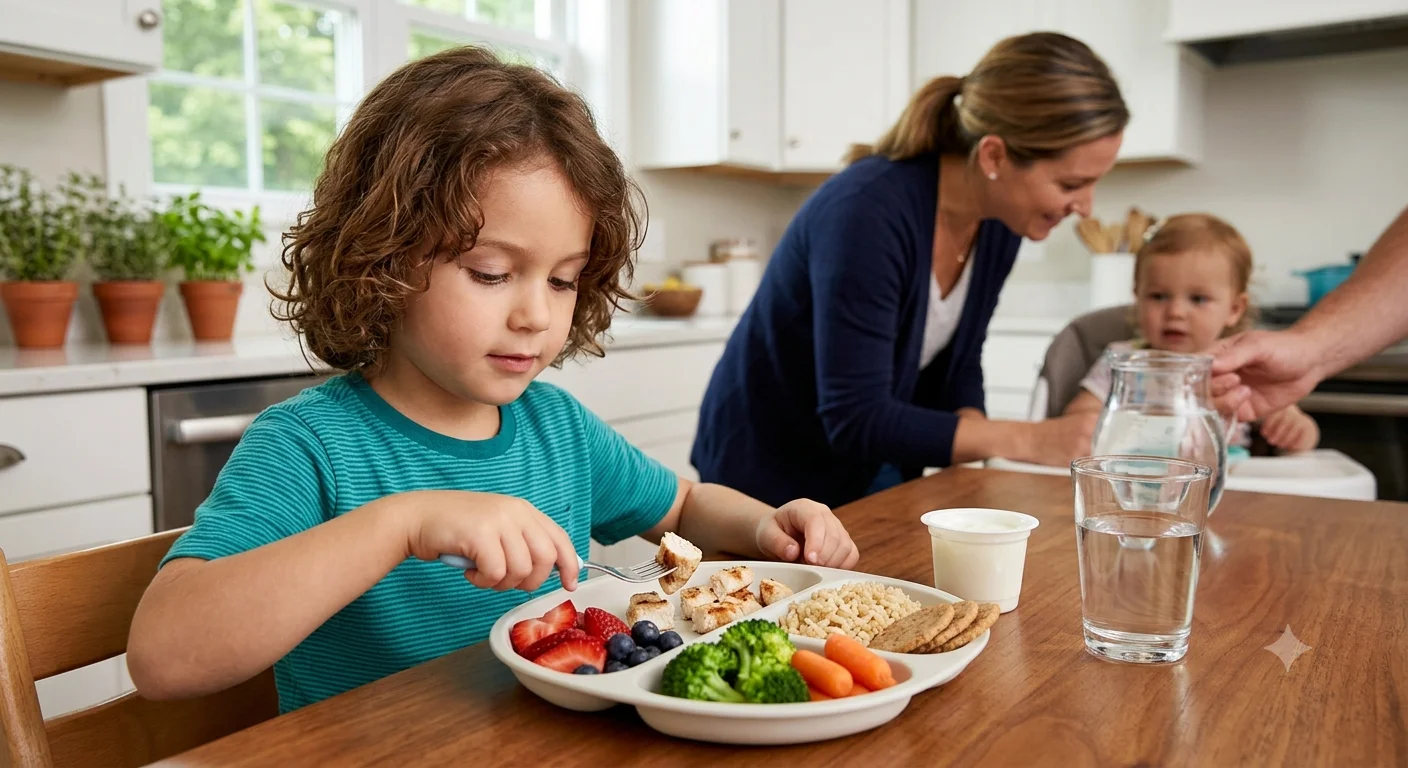
Always include at least one recognizable, low-pressure “safe food” on the plate—such as sliced fruit or bread—alongside new or challenging dishes. Never pressure, bribe, or cajole a toddler into taking a bite of meat or greens. Pressure increases cortisol, dampens appetite, and turns the dining table into a battleground. By consistently offering well-fortified staples behind the scenes, you can step back, keep mealtime peaceful, and let your child explore new foods at their own pace.
When Food Is Not Enough: Navigating Supplements
Dietary upgrades should always be your first line of defense, but severe iron depletion cannot always be resolved through food alone. When bodily iron stores fall significantly below normal ranges, food provides enough to maintain status, but not enough to rapidly rebuild depleted reserves.
If you suspect your child is struggling with low iron, consult your pediatrician for an accurate blood test before introducing store-bought iron supplements. A standard complete blood count (CBC) measures hemoglobin, but requesting a ferritin level provides a clearer picture of your child’s stored reserves, catching deficiencies before full anemia develops.
Should your doctor recommend an oral iron supplement, a few practical tips can ease the process. Liquid iron supplements often have a strong metallic taste and can temporarily stain tooth enamel. Dispense the liquid toward the back of the child’s cheek using an oral syringe, or dilute it into a small splash of orange juice, which both masks the flavor and supplies the vitamin C needed for rapid uptake. Follow the dose with a quick water rinse or tooth brushing.
Keep in mind that therapeutic iron can cause mild constipation or darken bowel movements. Offering plenty of water and fiber-rich fruits like pears, prunes, and berries will keep your child comfortable throughout treatment.
Picky eating is almost always a temporary season, but nutritional deficiencies do not have to be an inevitable side effect. By mastering food pairings, fortifying everyday staples, and managing liquid dairy intake, you can protect your toddler’s iron stores and support their development while keeping family mealtimes calm and enjoyable.