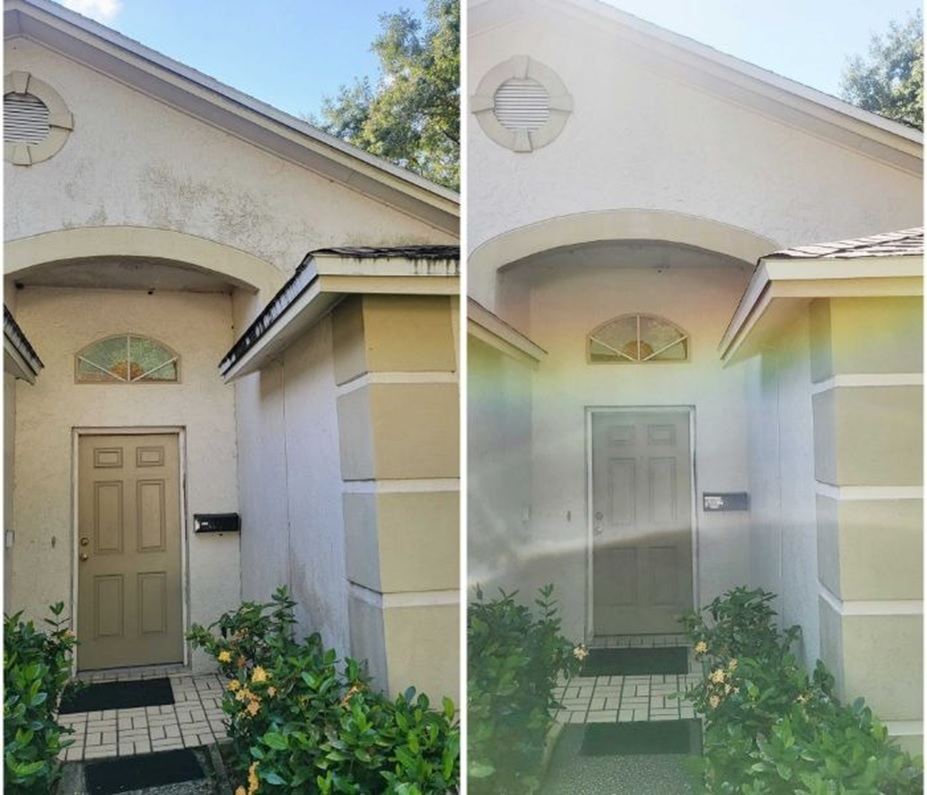
Keeping exterior surfaces clean can make a noticeable difference in how your property looks and feels. Dirt, algae, mildew, pollen, and stains can collect on siding, concrete, walkways, roofs, and other outdoor materials. The challenge is choosing a cleaning method that removes the buildup without placing unnecessary stress on the surface.
Two methods you will often hear about are power washing and soft washing. While both can clean exterior surfaces, they use different water pressures and approaches to removing stains. Understanding those differences can help you choose a method that fits the material, condition, and type of buildup you are dealing with.
What Is Power Washing?
Power washing in Brandon, FL uses pressurized water to loosen dirt, grime, and other buildup from exterior surfaces. The strength of water makes this method especially useful for hard materials that can withstand greater force.
Concrete driveways, sidewalks, patios, and certain types of brick are common examples. These areas can collect layers of soil, mud, stains, and outdoor debris that may be difficult to remove with ordinary rinsing.
Pressure still needs to be controlled carefully. Using more force than necessary can leave visible marks, disturb joints between materials, or affect surfaces that are already cracked or worn. A good cleaning approach considers the material first and adjusts the pressure accordingly.
How Does Soft Washing Work?
Soft washing takes a different approach. Instead of depending mainly on strong water pressure, it uses lower pressure along with cleaning solutions that help loosen dirt and treat organic growth.
This method can be useful for surfaces that require a gentler touch. Siding, stucco, painted areas, some roofing materials, screens, and decorative finishes may fall into this category.
Organic staining is another reason soft washing may be selected. Algae, mildew, and similar growth can cling to exterior materials. Cleaning solutions can help break down this buildup so it can be rinsed away without directing intense water pressure at the surface.
The cleaning product, concentration, application method, and rinsing process all matter. Soft washing does not simply mean spraying chemicals and walking away. The process should be matched to the material being treated.
Comparing Water Pressure
The biggest difference between the two methods is the amount of pressure used.
Power washing relies more heavily on water pressure to loosen stubborn grime. Soft washing uses much lower water pressure and places greater emphasis on cleaning solutions.
Think about a concrete driveway compared with painted siding. Concrete is dense and durable, while painted siding can be more sensitive to concentrated water pressure. Applying the same cleaning approach to both surfaces would not make much sense.
That is why exterior cleaning should begin by identifying the surface rather than selecting the strongest available equipment.
Different Surfaces Need Different Approaches
Exterior materials do not all react to cleaning in the same way. Age and condition also make a difference.
Concrete may appear extremely durable, but damaged areas or weakened joints still require care. Brick can vary depending on its age and the condition of the mortar. Wood can be affected by aggressive pressure, especially when it is weathered. Painted surfaces may peel or chip if they are already deteriorating.
Before cleaning begins, look for cracks, loose materials, damaged coatings, worn mortar, or other signs that a surface may need extra attention.
This inspection can help determine which cleaning method makes the most sense. In some cases, different parts of the same property may require different techniques.
Match the Method to the Type of Buildup
The surface itself is only part of the decision. You should also consider what you are trying to remove.
Loose dirt and surface debris may require a relatively straightforward cleaning process. Heavy grime on a driveway or sidewalk may need stronger water pressure.
Organic growth can require a different strategy. Green or dark staining caused by algae, mildew, or similar growth may respond better when an appropriate cleaning solution is given time to work before rinsing.
Understanding the source of the discoloration helps prevent unnecessary cleaning attempts. Instead of repeatedly increasing the pressure, the cleaning method can be adjusted to address the actual cause of the stain.
Pay Attention to Water Runoff
Exterior cleaning involves more than the surface directly in front of you. Water has to travel somewhere after it leaves the cleaned area.
Wash water can flow across driveways, sidewalks, and other hard surfaces, carrying dirt, sediment, oils, cleaning products, and other materials.
The U.S. Environmental Protection Agency explains that stormwater runoff can pick up pollutants such as chemicals, oils, trash, and sediment before carrying them toward rivers, streams, lakes, and coastal waters.
That makes runoff management an important part of exterior cleaning. Pay attention to storm drains, landscaping, nearby water, and where cleaning solutions may travel. Using products carefully and controlling the cleaning area can help reduce unnecessary runoff.
When Should You Choose Soft Washing?
Soft washing may make sense when the surface could be affected by strong pressure or when organic growth is a major part of the problem.
Siding is a common example. A lower-pressure approach can clean the surface without blasting water into seams or applying unnecessary force to painted or finished materials.
Some roof surfaces may also require a gentler process. Roof materials can be damaged when cleaning equipment is used incorrectly, so their condition should be assessed carefully before selecting a cleaning method.
Soft washing can also be useful around decorative exterior features where aggressive pressure could affect finishes.
When Is Stronger Cleaning Useful?
Durable surfaces with stubborn buildup may benefit from power washing when the equipment is used correctly.
Driveways, sidewalks, concrete patios, and similar areas regularly collect soil, grime, tire marks, and outdoor debris. Controlled pressure can loosen this buildup and refresh the surface’s appearance.
However, stronger pressure should never become a shortcut for evaluating the area first. Cracked concrete, loose mortar, damaged pavers, and aging materials may need adjustments to the cleaning technique.
The best results come from matching the equipment to the condition in front of you rather than automatically turning up the pressure.
How to Choose the Right Method
Before deciding how to clean an exterior surface, ask a few practical questions.
What material are you cleaning? Is it painted, sealed, weathered, or damaged? What type of stain or buildup is present? Can the material tolerate stronger water pressure? Are cleaning solutions needed to treat organic growth?
These questions make it easier to narrow down the right approach.
Exterior cleaning is rarely about choosing one method for every part of a property. A concrete walkway may call for one technique while nearby siding requires another. Understanding those differences can help protect finishes and produce a cleaner, more consistent result.
Conclusion
Powerful water pressure and gentle chemical-based cleaning each have a place in exterior maintenance. The better option depends on the surface, its condition, and the material you are trying to remove.
Hard surfaces with stubborn grime may handle stronger cleaning, while siding, painted areas, roofing materials, and other sensitive surfaces may benefit from a softer approach. Inspecting the area first and understanding how each method works can help you make a better cleaning decision.
If your exterior is ready for a cleaner appearance, contact Brandon Pressure Washing Pros to discuss your property and find a cleaning approach suited to the surfaces you need cleaned.