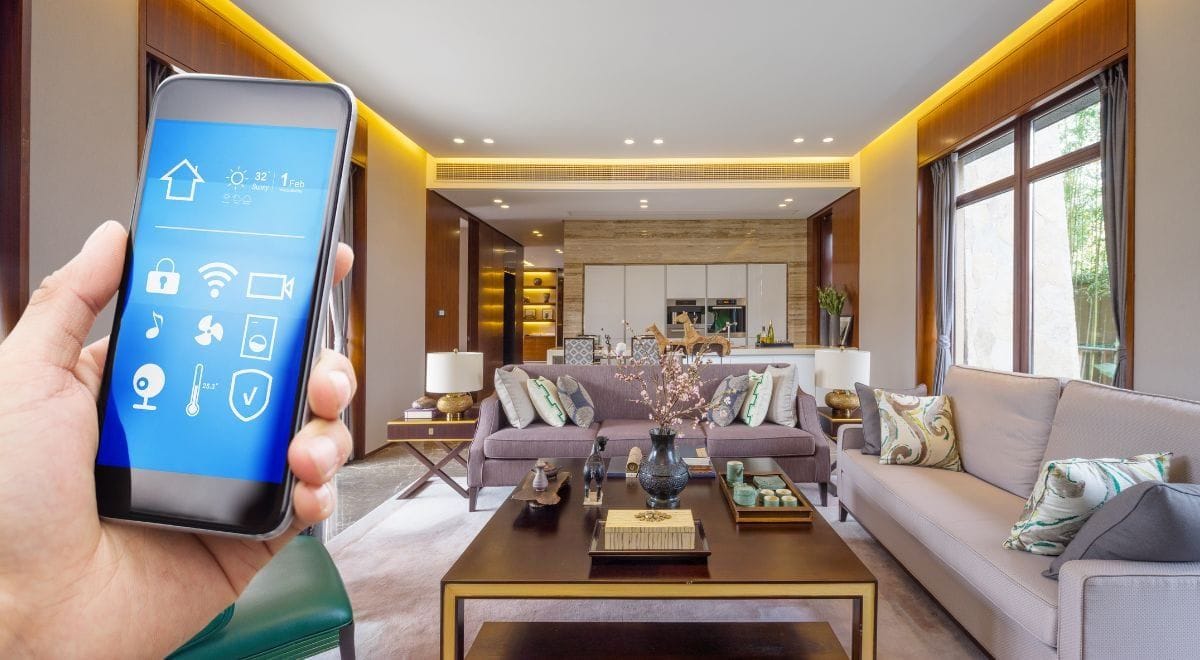
A Home is far more than a physical structure. It is a setting where identity develops, relationships form, and daily routines influence long term well being. In the earliest understanding of human needs, Home provides security, comfort, and belonging. Within the second layer of deeper meaning, Home becomes an ecosystem that shapes emotional resilience, financial stability, lifestyle quality, and personal growth. The concept of Home carries both practical and symbolic significance that affects nearly every area of life.
How Home Became Central to Human Identity
Throughout history, homes have evolved from basic shelters into complex environments that reflect values, culture, and personal aspirations. The earliest dwellings protected people from weather and wildlife. As communities developed, homes expanded into spaces for family life, economic activity, and creativity.
Historical Transformations That Shaped Modern Homes
Several key developments contributed to the evolution of the modern Home:
- Introduction of permanent settlements that allowed families to grow relational roots
- Development of agriculture, encouraging long term living structures
- Urbanization, which changed how families lived and interacted
- Rise of architectural innovation, enabling diverse styles and personalized layouts
- Technological advances that reshaped household convenience and efficiency
Each period strengthened the idea of Home as both a physical and emotional foundation.
Home as a Symbol of Stability and Aspirational Living
People associate Home with stability, independence, and achievement. It often represents:
- A safe environment for raising children
- A place of emotional retreat
- A financial investment for long term security
- A symbol of personal identity and lifestyle preferences
This symbolic role explains why homes continue to hold such central meaning in culture and daily life.
The Emotional and Psychological Influence of Home
Home shapes how people think, rest, and connect with others. Research consistently demonstrates that living spaces affect emotional health, stress levels, and personal productivity.
How the Home Environment Affects Mental Well Being
Several elements of Home influence psychological balance:
- Lighting that affects mood and circadian rhythm
- Color palettes that stimulate calm or energy
- Organization that reduces stress and distraction
- Privacy that supports emotional recovery and reflection
- Comfort that encourages restorative rest
A thoughtfully structured home environment becomes a powerful tool for mental wellness.
The Role of Home in Identity Formation
Individuals express their personality and values through:
- Décor choices
- Furniture arrangements
- Art displays
- Personal collections
- Room design based on hobbies or goals
These elements contribute to a sense of self and provide emotional grounding.
The Architecture and Design of Home
Architecture plays a foundational role in determining how a Home functions. Layouts influence movement, interaction, and comfort.
Key Architectural Styles That Shape Modern Homes
Homes today reflect a blend of historical and contemporary influences. Common architectural styles include:
- Craftsman with detailed woodwork and natural materials
- Colonial featuring symmetry and classic proportions
- Mid century modern emphasizing clean lines and open forms
- Contemporary highlighting minimalism and large windows
- Farmhouse known for warmth and rustic textures
Each style offers a distinct living experience that reflects unique cultural values.
Functional Layouts and Space Optimization
Efficient home design prioritizes:
- Flow between rooms
- Access to natural light
- Multi purpose spaces
- Storage solutions that reduce clutter
- Structural durability for long term use
These elements shape how comfortable and efficient life feels within the home.
The Practical Foundations of a Healthy Home
A home’s physical structure affects safety, comfort, and long term maintenance.
Importance of Air and Light Quality
Healthy homes prioritize:
- Adequate ventilation for cleaner indoor air
- Proper insulation for temperature control
- Natural sunlight to support sleep rhythms
- Non toxic materials that reduce respiratory stress
These features improve overall wellness.
Home Safety and Functional Security
Safety features protect both physical property and family members. They include:
- Reliable locks and secure entry points
- Smoke and carbon monoxide detection
- Childproofing and accessibility enhancements
- Emergency preparedness plans
- Clear pathways to prevent falls or injuries
A secure home strengthens confidence and peace of mind.
The Economic Dimensions of Home Ownership and Renting
Homes play a major economic role in personal finances and community development.
Homes as Long Term Financial Investments
For many families, a home is their most valuable asset. Benefits include:
- Equity growth over time
- Tax advantages in many regions
- Stable monthly costs compared to rising rental rates
- Long term wealth building through appreciation
Home ownership also encourages responsibility and long term planning.
Renting and Its Practical Benefits
Renting offers flexibility for people who:
- Aren’t ready for long term commitments
- Prefer low maintenance living
- Move frequently for work
- Want access to amenities such as gyms or pools
Both renting and home ownership support different lifestyle needs depending on life stage and personal goals.
Home Technology and Modern Convenience
Technology has transformed the way homes operate, enhancing safety, comfort, and efficiency.
Smart Home Systems That Improve Daily Living
Modern homes incorporate features such as:
- Automated lighting
- Smart thermostats
- Voice controlled devices
- Security cameras and motion sensors
- Remote access to appliances
These tools reduce manual effort and improve energy efficiency.
Appliances and Tools for Modern Lifestyles
Innovative appliances streamline daily activities:
- High efficiency washers and dryers
- Smart refrigerators with inventory tracking
- Multi functional cooking appliances
- Advanced vacuum systems
- Air purifiers that reduce allergens
Homes become more efficient and healthier through these advancements.
Home as a Social and Relational Environment
Beyond structure and design, the culture within a home influences emotional well being and relationship quality.
The Importance of Family Rituals and Shared Spaces
Shared spaces such as living rooms, dining rooms, and outdoor patios strengthen family connections through:
- Mealtime conversations
- Recreational activities
- Celebrations and gatherings
- Relaxation and shared hobbies
These moments shape family bonds and long term memories.
Boundaries and Personal Space in a Healthy Home
Balancing shared and private spaces supports:
- Emotional independence
- Healthy communication
- Personal creativity
- Conflict reduction
Private rooms, quiet nooks, and intentional spaces help individuals thrive.
The Relationship Between Home and Productivity
The rise of remote work and digital lifestyles increased the importance of functional home environments.
Designing a Home Office That Supports Focus
A productive workspace includes:
- Ergonomic seating
- Proper lighting to reduce eye strain
- Organized storage for essential tools
- Minimal distractions
- Acoustics that support concentration
A well structured workspace improves both productivity and job satisfaction.
How Home Layout Influences Daily Routine
Routines depend heavily on:
- Kitchen efficiency for meal preparation
- Bedroom comfort for restful sleep
- Bathroom layout for morning readiness
- Living spaces that support relaxation after work
When the home layout supports routines effectively, overall quality of life improves.
Home Maintenance and Long Term Preservation
Maintenance protects the safety and value of a home.
Key Areas of Routine Maintenance
Homeowners and renters should monitor:
- HVAC systems
- Plumbing and water flow
- Electrical wiring integrity
- Roof stability
- Exterior drainage
These components prevent costly repairs and maintain property value.
Seasonal Home Care Strategies
Different seasons require different care:
- Winterizing pipes
- Clearing gutters in fall
- Checking cooling systems in spring
- Maintaining landscaping in summer
Consistent attention supports long lasting structural health.
Frequently Asked Questions
How can I make my home feel more comfortable without major remodeling?
Small changes such as adding warm lighting, incorporating soft textures, organizing clutter, and improving airflow can make a noticeable difference without large projects.
What factors matter most when choosing a home layout?
Consider natural light, room flow, privacy needs, storage capacity, and how the space supports your routine. A layout should enhance daily living rather than complicate it.
How do I improve air quality inside my home?
Increase ventilation, use air purifiers, avoid harsh chemical cleaners, maintain HVAC filters, and introduce indoor plants that support cleaner air.
Is renting better than buying for people who move often?
Yes. Renting offers flexibility, predictable costs, and minimal maintenance responsibilities, making it ideal for individuals with shifting life circumstances.
What is the best way to create a productive home environment?
Design dedicated workspaces, reduce distractions, maintain organization, and create routines that help separate work from relaxation.
If you’d like, I can create an additional article focused on home design trends, sustainable building practices, family living dynamics, or interior styling principles.