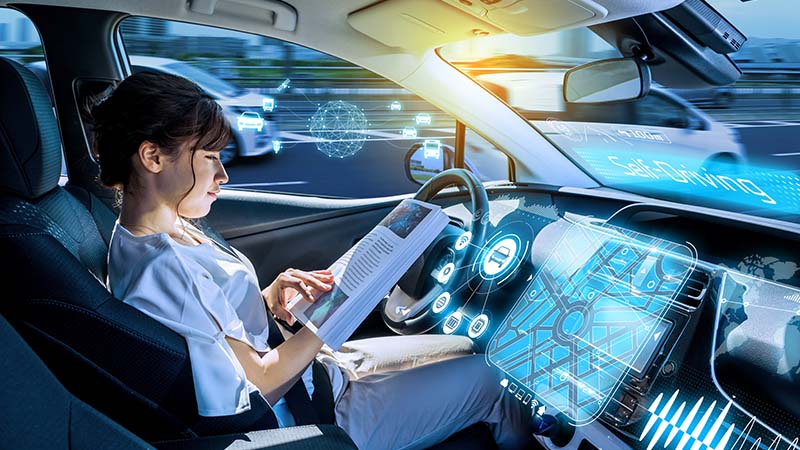
Understanding the world of auto technology is no longer limited to enthusiasts or mechanics. Modern vehicles sit at the intersection of engineering, software, sustainability, and consumer expectation. The result is an industry advancing faster than at any point in its history. Whether someone is exploring vehicle ownership, working within the automotive sector, or studying how transportation shapes society, the auto landscape influences daily life in profound ways.
Within the first wave of innovation, the auto industry centered heavily on mechanical improvements, but today, the shift toward intelligent systems, advanced materials, and alternative energy is reshaping everything from safety to environmental impact. This transformation has created a new era in which the word auto represents far more than a machine that moves; it symbolizes a technology ecosystem.
How Auto Engineering Has Transformed Over Time
The earliest vehicles were built on simple frameworks, focusing primarily on durability and mobility. That foundation pushed engineers to refine engines, improve fuel efficiency, and design components that could handle rising performance demands. Over time, the industry expanded into areas such as aerodynamics, material science, and computational modeling.
Mechanical to Mechatronic Systems
Modern vehicles combine mechanical hardware with electronic controls to achieve precision and safety that early automakers could never have imagined. This shift enabled advancements like:
- Electronic throttles that adjust acceleration more accurately than mechanical cables
- Brake systems that combine hydraulic force with sensors for optimized stopping power
- Suspension systems that adapt to road conditions in real time
Each leap forward raised expectations for both efficiency and driver comfort.
Computer Integration and Data Modeling
Computers now influence nearly every phase of vehicle development. Engineers use simulation tools to:
- Test structural strength before fabricating parts
- Model fuel consumption under varying environments
- Predict the behavior of new materials under stress
This deep level of testing improves reliability and reduces production waste.
The Rise of Intelligent Auto Systems
The introduction of smart technology marked a defining moment in auto history. Vehicles evolved from passive machines to active assistants capable of enhancing decision-making and preventing accidents.
Advanced Driver Assistance Systems
Driver assistance systems have become standard in many new vehicles, providing a safety net that reduces collisions and helps drivers handle complex situations. These systems include:
- Adaptive cruise control that maintains safe following distance
- Lane-keeping technology that gently guides the vehicle back into proper alignment
- Automatic emergency braking that detects obstacles and reacts faster than human reflexes
The integration of advanced sensors and onboard computers gives vehicles an awareness of their surroundings that continues to improve each year.
The Role of Softwares and Connectivity
In today’s auto environment, software is often as critical as hardware. Connected systems allow features such as:
- Real-time vehicle diagnostics
- Wireless updates that improve performance or add new features
- Integration with smartphones for navigation, entertainment, and security access
Connectivity drives convenience but also increases the need for strong cybersecurity measures to protect vehicles from digital threats.
Powertrain Shifts and the Environmental Conversation
Environmental impact remains one of the most defining issues in the auto industry. With concerns around emissions, air quality, and resource consumption, manufacturers focus heavily on cleaner propulsion technologies.
Internal Combustion Improvements
While electric powertrains gain popularity, internal combustion engines (ICEs) still dominate global transportation. To reduce emissions, engineers incorporate:
- Direct fuel injection designed for cleaner burns
- Turbocharging that increases power while optimizing efficiency
- Exhaust after-treatment systems that filter pollutants
Every advancement brings vehicles closer to compliance with environmentally conscious regulations.
Electrification and Alternative Energy
Electric vehicles represent a major shift in how energy is stored and used. Their benefits include:
- Zero tailpipe emissions
- Lower maintenance due to fewer moving parts
- High torque delivery for enhanced performance
Hybrid systems blend the strengths of electricity with gasoline, offering extended range and improved fuel economy. Beyond electric power, research continues into hydrogen fuel cells and renewable fuels that may further diversify transportation energy sources.
Auto Manufacturing and the Evolution of Production
Mass production transformed auto availability in the early 20th century. Today, manufacturing continues to evolve through automation, robotics, and digital supply chain management.
Smart Factories and Automation
Factories now employ robots to handle repetitive or hazardous tasks such as:
- Welding complex metal structures
- Painting large surfaces with high consistency
- Lifting heavy components to reduce worker strain
Automation increases quality control while improving workplace safety.
Additive Manufacturing and Rapid Prototyping
3D printing accelerates product development by producing parts in hours rather than weeks. Designers use this technology to:
- Test aerodynamic components
- Evaluate new interior concepts
- Produce small-batch specialty parts
The ability to iterate quickly gives manufacturers a competitive advantage and shortens the time from concept to market.
Auto Safety and Its Deepening Focus
Safety remains one of the most essential aspects of automotive design. Engineers continually study crash data, material durability, and occupant protection strategies.
Crash Structure Engineering
Vehicles incorporate crumple zones that absorb impact energy. Meanwhile, reinforced cabins protect occupants from intrusion. The balance between flexibility and rigidity helps distribute crash forces in a controlled manner.
Airbags and Restraint Technologies
Airbags have evolved from simple front bags to complex multi-stage systems that adjust inflation based on:
- Occupant size
- Seat position
- Collision intensity
Seatbelts, pre-tensioners, and load limiters further enhance protection.
The Consumer Experience and Changing Expectations
As auto technology advances, consumer expectations shift just as rapidly. Drivers now look for vehicles that provide comfort, customization, and multifunctional features.
Infotainment and Digital Cockpits
Modern cabins resemble digital workspaces. Automotive displays and controls now include:
- Touchscreens with customizable layouts
- Voice-activated controls for hands-free operation
- High-quality audio systems tailored to cabin acoustics
Consumers expect seamless integration with personal technology, from navigation apps to music streaming.
Comfort and Interior Innovation
Interior design evolves to meet rising expectations for:
- Ergonomic seating engineered for long-distance comfort
- Noise reduction using insulated glass and sound-dampening materials
- Climate systems that manage temperature with greater precision
These improvements enhance the overall driving experience and influence brand loyalty.
The Future of Auto Transportation
The future of auto development extends beyond improved efficiency and safety. It encompasses mobility, data-driven decision-making, and infrastructure enhancements.
Autonomous Driving Development
Researchers continue to refine the systems needed for full autonomy. These technologies rely on:
- Lidar and radar for 360-degree awareness
- Machine learning algorithms that interpret complex traffic scenarios
- High-definition mapping to support accurate navigation
While fully autonomous fleets are still in development, progress continues steadily.
Mobility-as-a-Service and Urban Planning
The concept of mobility-as-a-service (MaaS) envisions a transportation network where owning a personal vehicle may not be necessary for everyone. Cities experiment with shared mobility strategies that reduce congestion and improve access. This integrated approach combines public transit, on-demand rides, and autonomous shuttle systems.
Maintenance and Longevity in the Modern Auto World
Even as technology grows more advanced, maintenance remains essential for vehicle longevity. Understanding the basics helps owners protect their investment.
Predictive Maintenance and Diagnostics
Sensors embedded throughout the vehicle monitor components like:
- Brake wear
- Tire pressure
- Oil condition
Predictive systems alert drivers before issues arise, reducing both repair costs and safety risks.
Benefits of Routine Care
Regular maintenance extends vehicle life by ensuring:
- Proper lubrication of key engine parts
- Cooling system performance under heavy loads
- Brake pads and rotors remain within safe operating levels
Consistent care improves reliability and reduces long-term expenses.
Auto Customization and Personal Expression
Many drivers view their vehicle as an extension of their identity. Customization supports this personal expression.
Exterior Enhancements
Owners customize vehicles through:
- Performance wheels and tires
- Protective wraps or new paint finishes
- Upgraded lighting for both safety and aesthetics
Interior Personalization
Interior upgrades include:
- Seat reupholstering
- Custom steering wheels
- Ambient lighting choices
These enhancements create a tailored driving environment that reflects individual preferences.
Real-World Impact of Auto Innovation
The auto industry influences multiple sectors, from energy and manufacturing to urban development. Its innovations ripple through daily life.
Economic Influence
Auto manufacturing supports millions of jobs, including:
- Engineers
- Technicians
- Assembly workers
- Supply chain specialists
Each vehicle built supports dozens of related industries.
Environmental and Social Effects
Cleaner vehicles reduce environmental impact, while safer designs save lives. Improved mobility solutions support social equity by increasing access to transportation.
Frequently Asked Questions
Why is auto technology evolving so quickly now?
The rise of digital systems, environmental regulations, and consumer demand for convenience accelerates innovation. Components that once took decades to evolve now change in just a few years.
What role do sensors play in modern vehicles?
Sensors monitor everything from engine operation to road conditions. They enable advanced safety systems, optimize performance, and support predictive maintenance.
Are electric vehicles more reliable than gasoline-powered models?
Electric vehicles generally have fewer mechanical parts, which reduces long-term maintenance needs. However, the reliability of individual models depends on build quality and battery management.
How do software updates improve a vehicle?
Software updates can refine engine tuning, add safety enhancements, introduce new infotainment features, and fix security vulnerabilities without requiring a service appointment.
Will autonomous cars replace traditional driving?
Widespread adoption will take time due to technological, legal, and infrastructure challenges. Traditional driving will continue to exist alongside autonomous systems for many years.
If you’d like, I can tailor this article to a specific auto niche such as electric vehicles, performance engineering, auto insurance, or repair and maintenance.