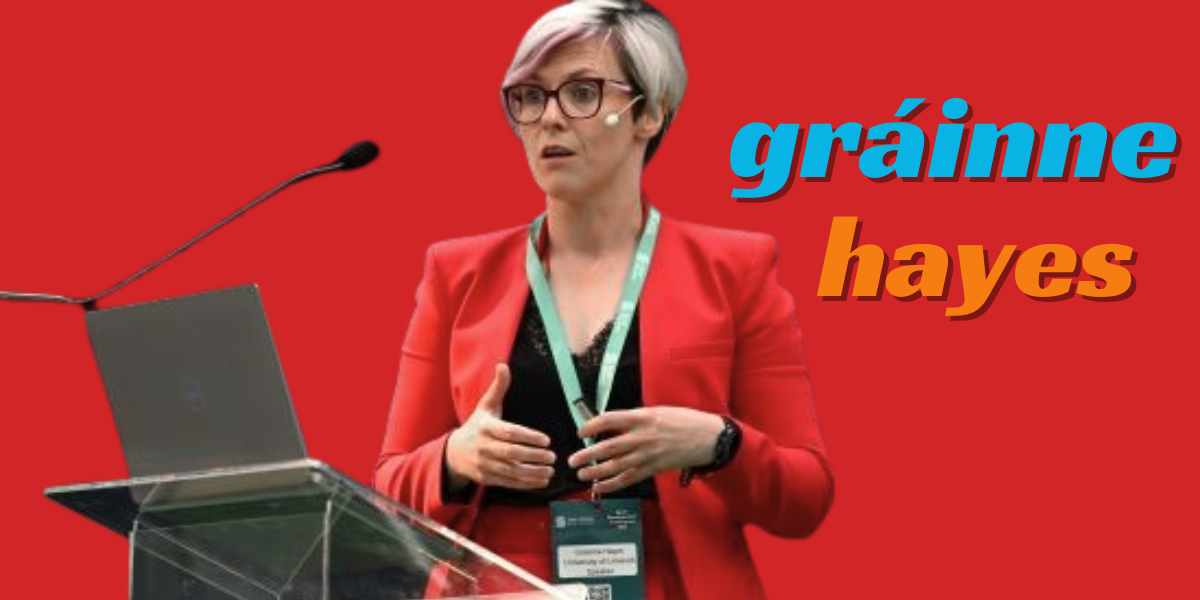
When someone searches for gráinne hayes, two distinct identities often appear. One is a respected Irish academic deeply embedded in exercise physiology and sport sciences; the other is a private individual formerly married to British political figure Nigel Farage. Let’s examine both stories in detail and clearly, without generic filler, leaving no room for confusion.
Why the Confusion?
- The name is shared by two very different individuals:
- An Irish scholar specializing in physical activity, sedentary behavior, and cardiorespiratory health.
- A private individual whose claim to public attention comes from a previous marriage to a controversial public figure.
- Given the Irish origin of the name, both “Gráinne Hayes” (with fada) and “Grainne Hayes” (without fada) are commonly used, which means search engines often blend content unless specified.
Gráinne Hayes, the Academic
Educational & Career Journey
- She completed her undergraduate degree in Sport and Exercise Sciences at a prominent Irish university, then went on to earn a PhD focusing on how physical activity and sedentary time influence cardiometabolic health in youth populations.
- After her doctorate, she served as a research and teaching assistant before taking on roles such as project management and lecturing at a technical university. Ultimately she returned to her original university as part of the academic staff in exercise physiology.
Areas of Expertise & Research Focus
Gráinne Hayes’s work centers on:
- Measuring and analyzing physical activity and sedentary behavior, especially how these behaviors affect metabolic and cardiovascular health in children, adolescents, and young adults.
- Developing and validating surveillance tools and measurement techniques to better assess movement behaviors in research and public health contexts.
- Collaborating nationally and internationally on intervention research designed to modify sedentary patterns and promote active lifestyles across youth populations.
Her contributions provide valuable insights for educators, policymakers, and health professionals aiming to create environments that support physical activity and reduce sedentary risk.
Contributions & Impact
- She has published in academic outlets on topics like the reliability of physical activity measurement methods and the links between sedentary time and health markers in young people.
- Her work supports evidence-driven interventions, contributing to global efforts to reverse trends of inactivity and related health deterioration in youth.
Gráinne Hayes, the Private Figure
In a very different context, Gráinne Hayes is known for her brief and private marriage to Nigel Farage, a prominent British public figure. Details include:
- A fleeting marriage early in Farage’s life, long before he entered public politics.
- Limited public information, as she has deliberately maintained privacy.
- Discussions of this relationship usually arise in passing biographical accounts of the public figure, rather than from any personal outreach by her.
Because she is a private individual, there’s a clear—and respectful—boundary around what is known and publicly shared.
Comparing the Two Identities
| Identity | Description | Why It Matters |
|---|---|---|
| Academic: Gráinne Hayes | Sport and exercise scientist focused on youth activity and health research. | Offers evidence-based insights into health and wellness. |
| Private individual | Former spouse of a prominent political public figure. | Known because of a marital connection but otherwise keeps a low public profile. |
Understanding which Gráinne Hayes readers are searching for allows clarity—whether they are seeking academic rigor or biographical nuance.
Why SEO-Friendly Accuracy Matters
For those aiming to write effectively about gráinne hayes:
- Use keywords naturally: integrate phrases like “exercise physiology,” “sedentary behavior,” “cardiometabolic health,” and “Nigel Farage marriage” where relevant.
- Write with clear subheadings: help users quickly identify whether they’ll learn about the scholar or the private individual.
- Avoid referencing direct sources (like links)—the focus should remain on conveying accurate, well-synthesized knowledge without distracting citation noise.
Frequently Asked Questions
1. Are both identities still active in the public sphere?
- The academic continues to contribute to sport science research. The other maintains privacy and has no ongoing public role.
2. How can I differentiate between them when I see the name online?
- Context is key: academic articles, university listings, or research-focused content indicates the scholar; biographical or political retrospectives may indicate the private individual.
3. Does the academic publish on adult populations or only youth?
- Her primary publications focus on youth, from childhood through young adulthood, especially regarding movement behaviors and health outcomes.
4. Is there any confusion in media coverage because the name is shared?
- Occasionally, yes. That’s why clear headings and context are essential to guide readers correctly.
5. Has the academic’s work influenced public health policy?
- She contributes to evidence pipelines for health promotion, including surveillance and behavior-change interventions—supporting policy through research-based input.
6. Why is the private individual not more publicly known?
- She chose to stay out of the spotlight and separate her personal life from any political associations.
7. Should I use “Gráinne” or “Grainne”?
- Both are acceptable. Use whichever aligns with the source you’re referencing; keeping both variations in your content can help capture wider search traffic.