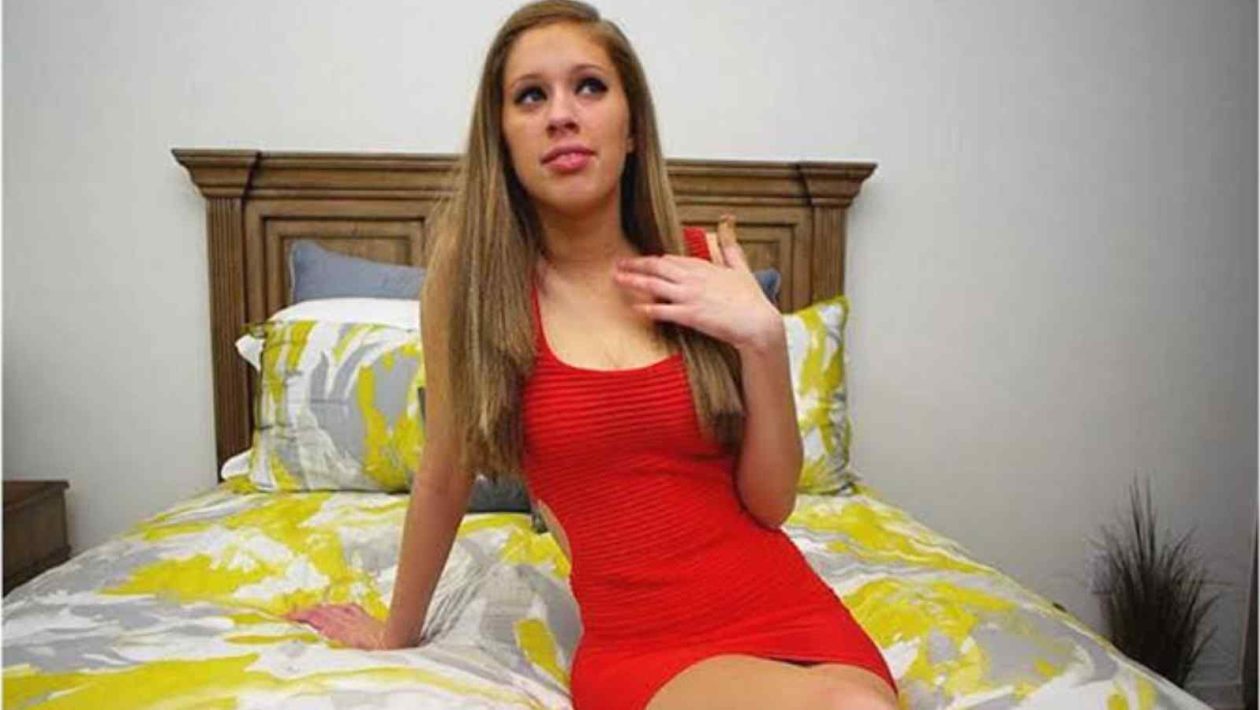
If you’ve landed here after typing selena green vargas into a search bar, you’re not alone. For nearly a decade, this name has cycled through forums, short-video explainers, and aggregator articles. Yet for all the clicks, the verified facts remain surprisingly thin, and much of what’s repeated is either speculation or stitched together from unconfirmed posts. This guest post gives you a grounded walkthrough—what started the mystery, which claims are actually supported by evidence, what’s still conjecture, and why the topic continues to trend years later.
Our goal is simple: make the conversation accurate, humane, and useful. That means drawing a firm line between what’s known, what’s likely, and what’s unverified—and doing it without sensationalism.
Why People Still Search “Selena Green Vargas”
- The story blends internet drama, military imagery, and adult-industry stigma—ingredients that predictably go viral.
- The original spark involved a photo circulating on anonymous forums, which then migrated to mainstream platforms through reposts and “explainers.”
- Every few years, a new wave of content repackages the same talking points, nudging selena green vargas back into trending territory.
In other words, the curiosity is real—but so is the risk of repeating unverified claims. Let’s map the story carefully.
The Core Timeline (High Level)
2015: A Photo, a Forum, and a Spark
Around 2015, a photo of a smiling couple—one in a U.S. Navy-style uniform—was posted to an anonymous image board. Commenters attempted to identify the woman as “Selena Green Vargas.” From there, the name bounced across social media and forums, acquiring a dramatic narrative and a swirl of claims that were quickly amplified.
2016–2020: Aggregation and Amplification
As reposts proliferated, blog posts and listicles began cementing a storyline around selena green vargas, often without sourcing. Some write-ups suggested she had links to adult content under similar or identical naming. Others spun unverified personal details. The result: a patchwork online record where repetition began to masquerade as proof.
2021–2025: Periodic Resurgences
Short-form videos and “internet mystery” editorials revived interest periodically. Each resurgence pulled new readers into the loop, even as the underlying verifiable facts remained limited. By 2025, explainers once again pushed the topic into public view, with many repeating the same talking points from years earlier.
The Photo, Theories, and the “Cheating” Narrative
The Photo
The image that ignited the mystery shows a woman—identified online as selena green vargas—standing with a man in a Navy-style uniform. Internet sleuths dissected minutiae (from patches to presentation) and debated the authenticity of the military details. What matters here: the image became the catalyst for mass speculation, but it did not, on its own, prove broader claims about anyone’s background or behavior.
The “Cheating” Claim
One of the most viral subplots alleged that the woman in the photo had “cheated” on the man. This is a classic example of how forums can spin narratives from minimal inputs. The claim has been widely repeated; however, it remains unverified and rests on conjecture rather than documentation. Treat it as rumor, not fact.
Adult-Industry Associations
A number of posts and articles assert or imply that selena green vargas performed under the same or a similar name. While this could explain some of the search interest and cross-platform chatter, the internet record intermixes verified credits, recycled claims, and outright guesses. Without direct, authoritative confirmation (e.g., public statements, official credits clearly tied to the same legal identity), these associations remain a contested point.
What’s Verified vs. What’s Speculative
To cut through the noise, here’s a side-by-side view to keep top of mind as you read anything about selena green vargas.
What’s Reasonably Verified
- A photo circulated widely on anonymous boards and social platforms around 2015, prompting identification attempts.
- Interest resurges periodically, triggered by explainers, listicles, and short-form videos that revisit the case as an “internet mystery.”
- There is no definitive, on-the-record interview or authoritative statement from the woman in question addressing the viral narrative.
What’s Widely Claimed but Unverified
- Specific biographical details (full birth date, place, education, family background) are often copied from blog to blog without primary sourcing.
- Definitive adult-industry linkage to a single, verifiable legal identity is inconsistently documented and may conflate similar names or pseudonyms.
- The “cheating” storyline has been repeated for years but remains unsupported by trustworthy documentation.
Bottom line: treat repeated claims as claims, not facts, unless they’re backed by verifiable primary sources.
Why the Story Keeps Coming Back
The Algorithmic Loop
Platforms reward content that sparks quick curiosity. A name like selena green vargas—already primed with mystery—creates a feedback loop: search interest → new explainers → renewed search interest. The cycle sustains itself, even if no new facts emerge.
The “OSINT” Temptation
Casual online sleuthing can feel empowering: reverse image searches, patch analysis, username cross-checking. But without standards, OSINT-style sleuthing frequently crosses into overreach, producing speculative narratives and collateral harm.
Stigma and Storytelling
Any mention of adult work still draws a disproportionate amount of attention online. That stigma adds heat (and clicks), which makes the topic evergreen—even when the underlying information is stale or uncertain.
Ethical Reading Guide: How to Vet Content About Selena Green Vargas
If you’re trying to separate fact from fiction, use this quick framework:
- Check for primary sources. Are there verifiable statements, interviews, or official records? If not, treat claims cautiously.
- Beware of circular citations. Many pages repeat each other; repetition isn’t verification.
- Look for precise, falsifiable details. Vague assertions (e.g., “many say…”) should be a red flag.
- Watch for sensational framing. Words like “exposed,” “scandal,” or “shocking” often signal clickbait over substance.
- Respect privacy. Avoid posts that dox, speculate about addresses, or encourage harassment.
If You’re a Writer or Publisher Covering This Topic
- Lead with what’s verified. Make clear what’s known and what isn’t.
- Avoid naming family or sharing personal identifiers. Don’t amplify doxxing materials.
- Decline to publish salacious rumors. If a claim can’t be substantiated, label it as unverified or omit it.
- Add context about internet dynamics. Explain why certain stories linger and resurface.
- Center dignity. Remember there’s a human being at the core of every viral narrative.
Key Takeaways (For Fast Readers)
- Selena green vargas is primarily an internet-driven mystery, not a well-documented biography.
- The 2015 photo sparked a wave of speculation, much of it unverified.
- The story sticks because of algorithms, stigma, and recycled content, not because new facts keep emerging.
- The most responsible way to engage is to separate facts from rumors and respect privacy.
A Nuanced Look at Identity Online
The selena green vargas saga isn’t just a tale about one person; it’s a case study in how identity gets constructed—and deconstructed—on the internet. A single image, stripped of original context, became a Rorschach test for a million viewers. Some read it as evidence of duplicity. Others as proof of catfishing. Many just saw a mystery to be solved.
But the internet rarely rewards slow, careful verification. It rewards speed, novelty, and certainty. That mismatch explains why, after all these years, people still go searching for selena green vargas and find a maze of articles saying the same things in slightly different ways.
If you take one thing from this guide, let it be this: curiosity is healthy; harassment isn’t. Asking questions is normal; insisting on answers that don’t exist is how misinformation spreads. Hold space for uncertainty. You can be thoughtful, skeptical, and compassionate—all at once.
Frequently Asked Questions (FAQ)
1) Who is Selena Green Vargas, really?
She’s the focal point of a viral internet narrative that began around a widely shared 2015 photo. Beyond that, firm biographical details remain limited in the public record. Treat specific claims—from birth dates to occupations—as unverified unless they’re tied to reliable primary sources.
2) Did she actually “cheat” on the person in the photo?
That storyline is widely repeated but not supported by trustworthy documentation. It’s best regarded as a rumor that grew as the image spread, not an established fact.
3) Is Selena Green Vargas confirmed to be the same person as an adult performer using the same or a similar name?
This is one of the most common claims online, but documentation is inconsistent and often circular. Some posts assert a link; others repeat those posts. Without clear, authoritative confirmation, the connection remains disputed.
4) Why does the topic resurface every few years?
Because algorithms reward familiar mysteries, and creators keep repackaging the story for new audiences. Each cycle brings a fresh wave of search interest for selena green vargas, even when no new facts have been established.
5) Are there verified interviews or statements from her?
No credible, on-the-record interviews or statements have become part of the widely cited public record. That absence fuels speculation, but it also means claims should be treated cautiously.
6) What’s the ethical way to discuss the story?
Stick to verified facts, label unverified claims, avoid doxxing, and center humane language. If you publish content, resist sensational framing and provide context about how online narratives form and spread.
7) How can readers evaluate new claims they see on social media?
Look for original sourcing, avoid posts that rely on screenshots without context, and be wary of creators who promise “the full truth” without evidence. When in doubt, it’s okay to withhold judgment.