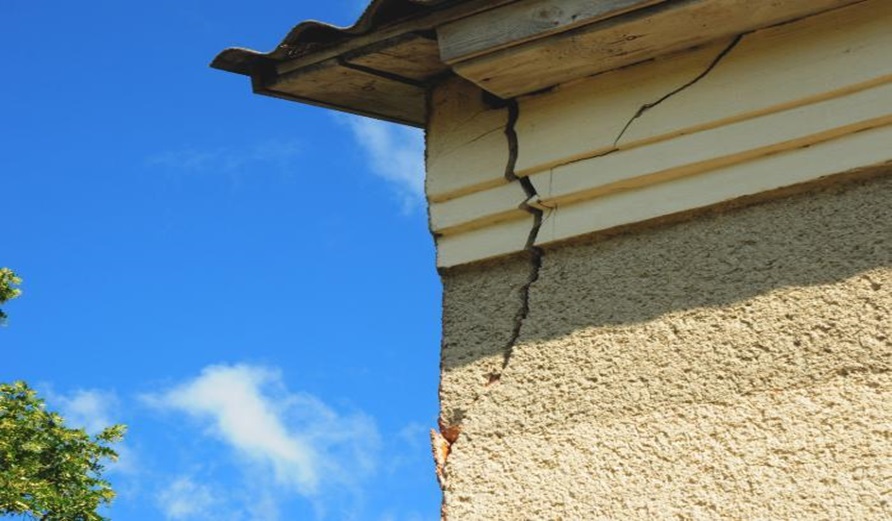
A concrete slab forms a strong base for your property, but the ground beneath it is constantly affected by water, weather, soil conditions, and nearby activity. When those conditions change, the slab may lose even support. Cracks, uneven floors, sticking doors, and gaps around walls can eventually appear.
Understanding why these problems develop can help you recognize warning signs sooner. Slab foundation repair in Macomb may become necessary when parts of the concrete settle, rise, or crack because the soil below can no longer provide consistent support. Instead of focusing only on the visible crack, it is important to understand what caused the movement in the first place.
Changes in the Soil Beneath the Slab
Soil movement is one of the most common factors connected with slab damage. Different soil types respond differently to changes in water levels. Clay-rich soil can expand as it absorbs water and contracts when it dries.
When soil expands, it may push upward against part of the slab. During dry conditions, shrinking soil can pull away from the concrete, leaving areas with reduced support. If different areas beneath the slab move at different rates, stress can develop across the concrete.
Repeated movement can eventually lead to cracking, sinking, or raised sections of the foundation. The amount of movement depends on soil type, drainage, weather, and construction conditions.
Poor Drainage Around the Foundation
Water should move away from the structure rather than collect beside it. When rainwater repeatedly pools near the foundation, the soil in that area may become much wetter than the surrounding ground.
The U.S. Environmental Protection Agency discusses site drainage and foundations in its Moisture Control Guidance for Building Design, Construction and Maintenance. The guidance recommends managing rainwater, snowmelt, and irrigation to direct water away from buildings.
Gutters, downspouts, landscaping, and the ground slope all influence where water travels. If water repeatedly collects along one side of the structure, soil conditions can become uneven. That difference can contribute to foundation movement over time.
Checking drainage after heavy rain can give you useful clues. Standing water, washed out soil, or water flowing toward the foundation deserves attention.
Plumbing Leaks Beneath the Concrete
Some plumbing lines run beneath slab foundations. When one of these lines develops a leak, water may enter the soil below the concrete before you notice an obvious problem inside the building.
A leak can change the condition of the supporting soil in a concentrated area. Depending on the soil, added water may contribute to expansion, erosion, or softening around the affected section.
Warning signs can include unexplained changes in water usage, damp flooring, warm spots on the floor, or the sound of running water when fixtures are turned off. Foundation movement combined with plumbing symptoms is a good reason to have the situation evaluated.
The EPA also includes plumbing systems as an important part of moisture management in buildings.
Improper Soil Preparation During Construction
A slab needs a properly prepared base. Before concrete is poured, the soil and fill material beneath the foundation should be prepared in accordance with the project requirements.
If portions of the supporting material settle after construction, the concrete above may lose support. One section of the slab might remain in place while another moves downward.
This type of differential settlement can create cracks and uneven floors. In these situations, slab foundation repair may need to address movement beneath the concrete rather than simply covering or filling the visible crack.
That distinction matters because a crack is often a symptom. Repairing its appearance without understanding the movement below it may leave the underlying problem untouched.
Erosion and Soil Washout
Water does more than change soil moisture. Flowing water can also carry soil away from areas around a foundation.
Poor grading, damaged drainage systems, broken underground pipes, or concentrated runoff may contribute to erosion. If enough soil moves away beneath part of the slab, the concrete can lose support and begin to settle into the weakened area.
Pay attention to new channels in the soil, depressions near the foundation, exposed areas beneath concrete, and sections where soil appears to disappear after heavy rain. These signs can indicate that water is moving through areas where it should not.
Seasonal Wet and Dry Cycles
Foundation conditions can change throughout the year. Long rainy periods may increase soil moisture, while stretches of hot, dry weather can remove significant amounts of water from the ground.
The concrete slab does not have to move dramatically all at once for damage to develop. Smaller movements repeated through many wet and dry cycles can gradually place stress on the foundation.
You may notice that cracks become wider, doors begin sticking, or floors feel increasingly uneven. Changes that continue or become more noticeable should be evaluated instead of treated as normal aging.
Trees and Changes in Soil Moisture
Large trees can also influence moisture levels in nearby soil because their roots absorb water. The effect depends on several factors, including the species and size of the tree, its distance from the structure, soil conditions, drainage, and local weather.
A tree near the building does not automatically mean it caused foundation damage. Removing a tree without determining the actual source of movement can create a different set of problems.
If you suspect vegetation is affecting the soil, a foundation inspection can help identify movement patterns before decisions are made about nearby trees.
Warning Signs That Point to Foundation Movement
Foundation problems can appear in several parts of the building. You might notice cracks running across concrete floors, cracks in interior walls near windows or doors, uneven flooring, doors that no longer close properly, or gaps where floors and walls meet.
One symptom alone does not reveal exactly what is happening underneath the slab. The location, direction, width, and progression of cracks can provide useful information when combined with measurements and an inspection.
When several warning signs appear together, slab foundation repair may be worth discussing with a qualified foundation professional.
Why Finding the Cause Comes First
A visible crack can be repaired, but that does not necessarily address the condition that caused it. If soil continues to settle, water continues to collect near the foundation, or erosion continues to remove support, movement can continue.
A foundation evaluation can look at elevations, crack patterns, drainage, soil conditions, and other signs around the structure. This information helps determine what areas have moved and what may be contributing to the problem.
The right slab foundation repair approach should be based on what is actually happening beneath the concrete. Understanding the cause gives you a clearer picture of the problem and allows you to make better decisions about the next steps.
Conclusion
Slab damage can develop because of soil movement, poor drainage, plumbing leaks, erosion, construction conditions, seasonal moisture changes, or nearby vegetation. In many cases, the visible crack is simply surface evidence of movement beneath the concrete.
Pay attention to changes around your property, especially cracks that widen, uneven floors, drainage problems, or doors that begin to stick. Catching signs of foundation movement early gives you more information and more options for addressing the underlying cause.
If you are seeing signs of slab movement and want to understand what is happening beneath your foundation, contact Macomb Foundation Repair Experts to schedule an evaluation and discuss repair options for your property.